 en
en

Our Services
Individual Training
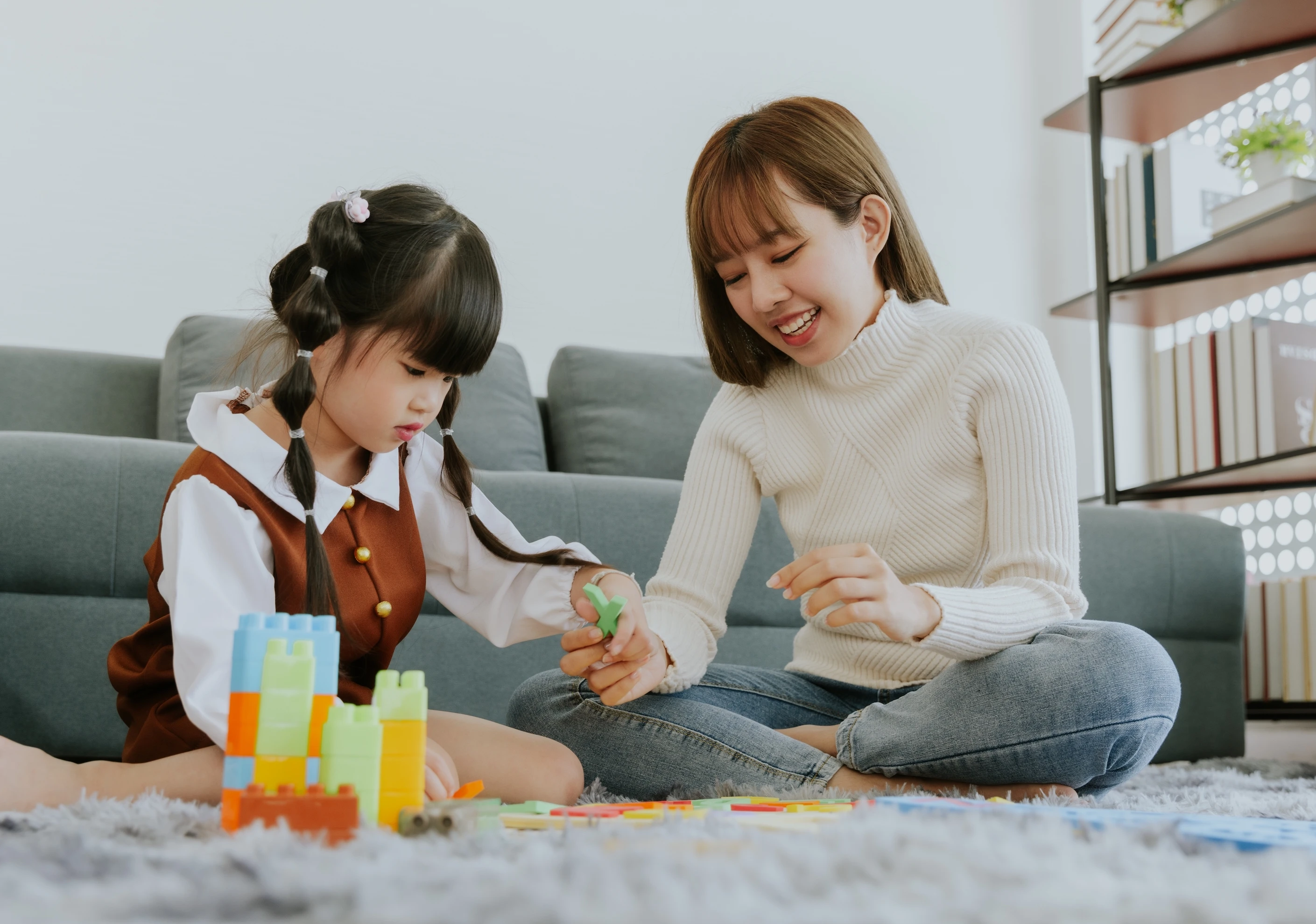
Individual training allows children to pick up new skills in a less distracted setting, so they can be more focused on training the skills they need.
Individual Training includes:
- Building rapport with the child to establish learning enthusiasm
- Tailor-made programs according to the child’s needs so they can focus on learning specific skills
- Incorporating training into activities based on the child’s interests to suit their unique learning styles
- Teaching growth mindset to help them gain confidence and keep their motivation
- Communicating with parents regularly to let them understand their child’s learning progress
Training area includes:
- Inappropriate behaviour
- Social skills
- Attention
- Dyslexia
- Executive Function
- Higher Order Thinking

Group Training
Group Training is designed to mimic children’s daily situations in a way that they will encounter in the natural environment, such as classroom scenarios, playing with peers etc. It is a platform for them to apply different skills with therapist’s guidance and learn with peers.
Group Training includes:
- 2 hours group learning with children with similar age/ ability
- Programs are designed especially for each group
- Therapist will set targets and guide according to each child’s ability/ the child’s program in individual training (if applicable)
- Communicating with parents regularly to let them understand their child’s learning progress
Training areas include:
- Learning and attention skills
- Social skills
- Interview skills


Child Development Consultation
When parents have questions or worries about their child’s development. Through our child development consultation, parents can gain more understanding about their child’s strengths & weaknesses, developmental needs etc. so they can provide adequate support accordingly.
Child Development Consultation includes:
- Discussion about the child’s behaviour and performance, learning history and current issues.
- Conduct clinical observation and interact with the child for screening.
- Verbal report on the child’s overall development at that point.
- Answering parent’s questions and discuss related strategies.
- Providing information and suggestions for behavioural adjustments/ skills improvement.

Parent Coaching
Parents or caregivers usually spend quite some time with their child every day. Hence, their interactions can have tremendous influence to the child’s development. Through parent training, parents or caregivers can learn how to effectively support their child during daily living activities. If the child is currently having individual training, the programs in parent training can match accordingly to boost the learning progress.
Parent coaching includes:
- Teach the basic theory and concept related to behaviour adjustment/ supporting strategies to enhance learning skills
- Tailor-made programs according to individual child and their family
- Demonstrations of behaviour management, supportive strategies to enhance learning, or parent-child interactions, which can increase the consistency between family members and the child
- Use video to review and make adjustments after practice

School Shadow
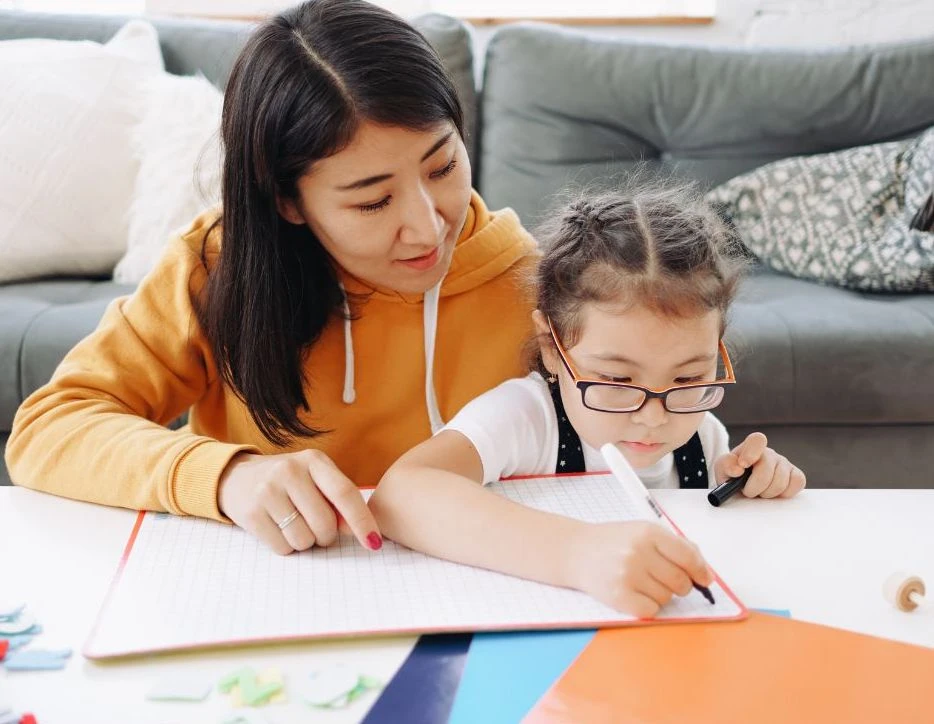
Our School Shadowing Service provides personalised, in-school support to help children participate confidently, develop essential skills, and gradually build independence in their learning environment. A trained professional accompanies your child in school, offering one-on-one support throughout the school day. Through individualised behavioural strategies, your child will be able to apply the various skills in school setting and gain independence.
How does it benefit my child?
- Helps children stay engaged and follow classroom routines
- Provides on-the-spot guidance for social interactions
- Supports children struggling with attention, behaviour, or transitions
How does school shadow help my child at school?
The school shadow will:
- Stay with the child in class to provide assistance as needed
- Encourages participation and focus in lessons independently
- Facilitates and supports social interactions with classmates
- As your child progresses, shadowing frequency and intensity will fade gradually to increase independence
This service is ideal for children who need extra guidance to succeed in a school setting.

Speech Therapy
What is it?
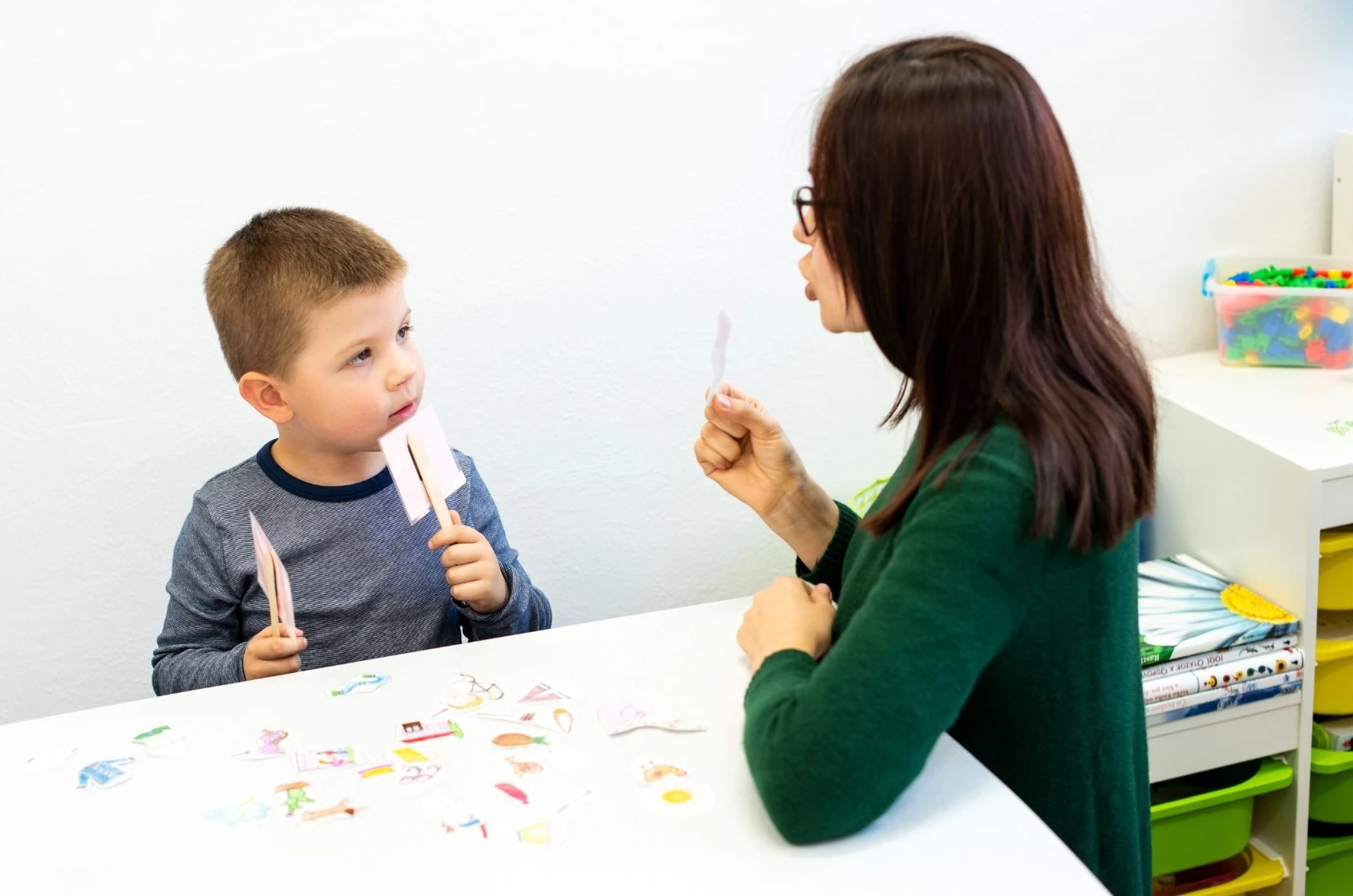
Speech and language is not only used for communication but is also closely related to attention and social skills. Speech therapy can help children improve speech-related communication issues through professional assessment and individually designed treatment plans. Speech therapists also provide suggestions for caregivers to assist and practice with children at home, in order to speed up their progress.
The scope of treatment includes:
- Pronunciation difficulties
- Oral muscle issues (e.g., low sensitivity, lack of coordination, insufficient strength)
- Voice disorders (e.g., loss of voice, hoarseness)
- Stuttering
- Inability to understand questions and respond appropriately
- Difficulty understanding various instructions
- Insufficient vocabulary or vague usage
- Difficulty in understanding stories or narratives
- Lack of motivation to communicate
- Weakness in social skills, etc.
How does it benefit my child?
- Enhances speech clarity and pronunciation
- Develops age-appropriate language and vocabulary skills
- Improves focus and attention
- Improves social communication and conversational skills
Speech Assessment
What is it?
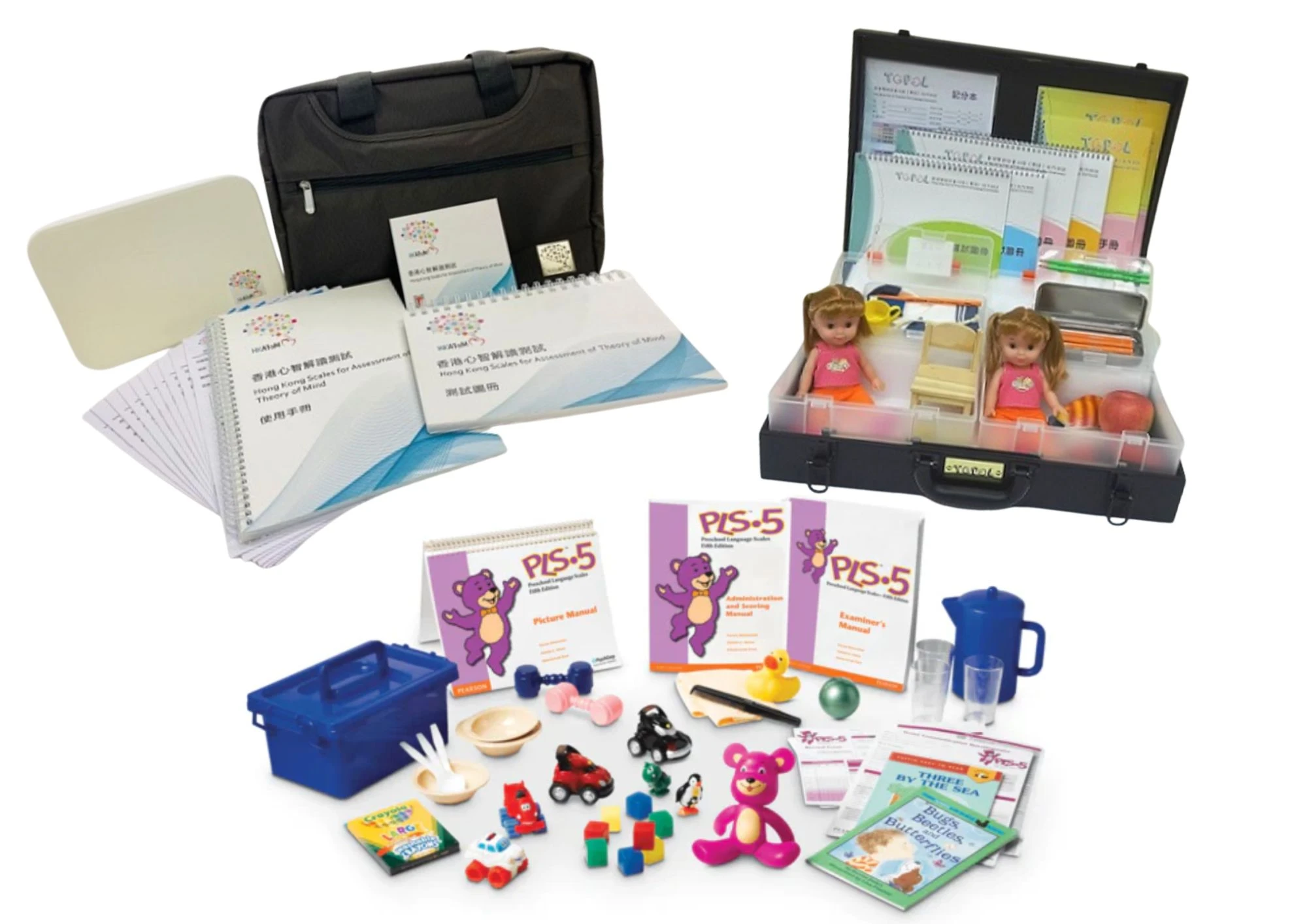
A Speech and Language Assessment is a comprehensive evaluation conducted by a certified speech-language therapist (SLP) to assess a child’s communication abilities. This assessment helps determine if a child has speech, language, or communication difficulties and identifies the best ways to support their development.
Speech and language skills play a crucial role in a child’s ability to express themselves, understand others, and engage in learning and social interactions. Early identification of speech and language challenges can significantly improve a child's communication skills, confidence, and academic success.
How does it benefit my child?
- Identify speech or language delays that may impact learning and social interactions.
- Understand specific communication challenges (e.g., difficulty pronouncing words, limited vocabulary, trouble understanding instructions).
- Develop a personalized intervention plan to support speech and language growth. Enhance communication strategies at home and in school to improve the child’s ability to express thoughts and needs.
- Boost confidence and social skills by improving verbal and non-verbal communication.